


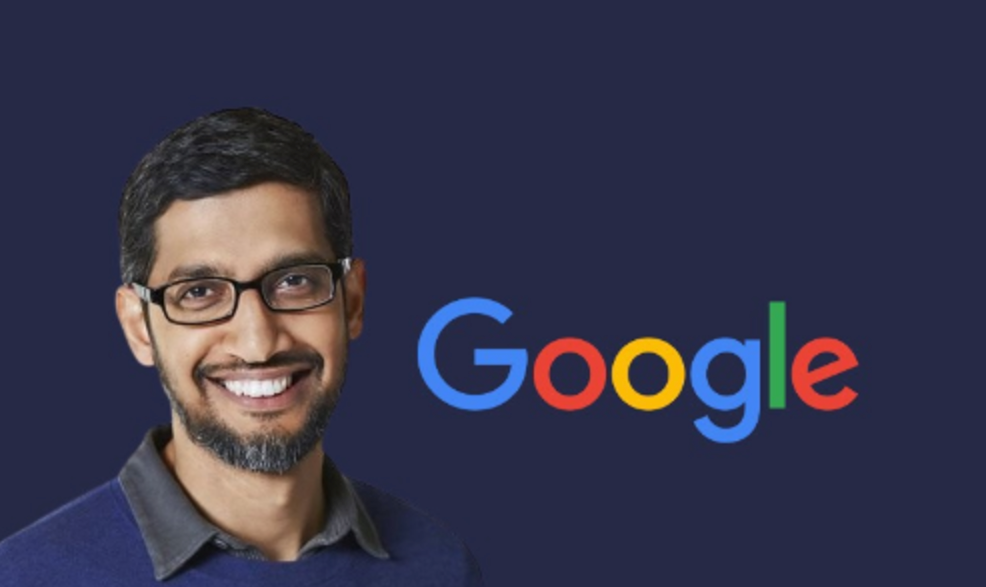
Court Takes Strong Action Against Google CEO Sundar Pichai for Defamatory YouTube Content
Mumbai Court Issues Contempt Notice to Google CEO Sundar Pichai Over Defamatory YouTube Video
Mumbai, December 1, 2024 — In a significant legal development, the Additional Chief Judicial Magistrate’s Court in Ballard Pier, Mumbai, has issued a contempt notice to Sundar Pichai, the CEO of Google, after the tech giant’s video-sharing platform, YouTube, failed to comply with a court order issued earlier this year. The case revolves around an allegedly defamatory video titled “Pakhandi Baba ki Kartut”, which targets the Dhyan Foundation, a prominent NGO dedicated to animal welfare, and its founder, Yogi Ashwini.
The video, which continues to be accessible outside of India, was ordered to be removed by the court in March 2023. However, YouTube has yet to fully comply with the directive, leading to the issuance of a contempt notice against Pichai on November 21, 2024. The case, filed by the Dhyan Foundation, has now been scheduled for a further hearing on January 3, 2025.
Alleged Defamation and Harm to Reputation
The Dhyan Foundation, which focuses on animal welfare and spiritual guidance, filed a petition claiming that the video in question is not only defamatory but has caused irreparable harm to the organization and Yogi Ashwini’s reputation. The video in question, which was uploaded on YouTube, allegedly contains false and malicious content designed to tarnish the image of both the foundation and its founder.
In its petition, Dhyan Foundation accused YouTube and its parent company, Google, of intentionally and deliberately delaying the removal of the video despite the clear legal directive. The organization’s plea expressed frustration with what it described as “delay tactics” employed by Google’s legal team, which allegedly sought adjournments on “flimsy grounds.” The petition further argued that these actions were directly damaging to the reputation of Dhyan Foundation and its founder, Yogi Ashwini.
The Legal Arguments and Court’s Response
The court’s action follows an extended legal battle that has seen YouTube argue that it is protected from liability under the Information Technology (IT) Act. YouTube contended that, as an intermediary platform, it was not obligated to remove content unless it fell under specific categories listed in Section 69-A of the IT Act, which deals with blocking content related to national security, public order, or sovereignty.
YouTube’s legal team further argued that the issue of defamation should be settled in civil courts, not through criminal proceedings, as criminal courts do not typically address such matters. The court, however, rejected these arguments, stating that the IT Act does not shield platforms from criminal proceedings in cases of reputational harm. In a key remark, the magistrate emphasized the sensitivity of religious sentiments in India and the potential risk to public order and security if content deemed defamatory continues to circulate.
“The sentiments of followers of any organisation in India are very sensitive, particularly regarding beliefs,” the court observed. “Therefore, if those videos are not restricted, it may pose a threat to public order and security of the State.”
Precedent for Global Platforms Operating in India?
The court’s ruling could set an important legal precedent regarding the responsibility of global tech platforms to comply with Indian judicial orders. The question of whether executives of tech companies like Google can be held personally accountable for failing to remove illegal or defamatory content is now at the forefront of legal discourse.
While YouTube’s legal team continues to argue against the scope of criminal jurisdiction, the court’s decision underscores the growing scrutiny on global digital platforms to respect and comply with local laws, especially when it comes to matters of reputational damage and defamation.
Public Interest and Broader Implications
The case is closely watched by legal experts, digital rights advocates, and tech companies alike. It raises significant questions about the accountability of tech platforms, particularly those operating globally, when it comes to adhering to Indian laws and judicial orders. While the debate around free speech, online content regulation, and platform responsibility continues, this case could serve as a key turning point in how courts handle such issues in the future.
For Dhyan Foundation and its supporters, the case represents more than just a legal battle—it is about protecting their reputation and safeguarding the integrity of their work in the face of what they describe as a malicious campaign. The outcome of this case could have far-reaching implications not only for YouTube but for all tech companies operating in India, as the country’s legal system continues to evolve in response to the challenges posed by digital platforms.
What Lies Ahead
As the case progresses, the future of the “Pakhandi Baba ki Kartut” video remains uncertain. With the contempt notice now issued to Sundar Pichai and the matter scheduled for further hearing in January 2025, all eyes will be on how both Google and Indian courts navigate the complex issues of digital content regulation, reputational damage, and the responsibilities of tech giants in the Indian legal landscape.
By Editor-in-chief – Vijay Kumar