


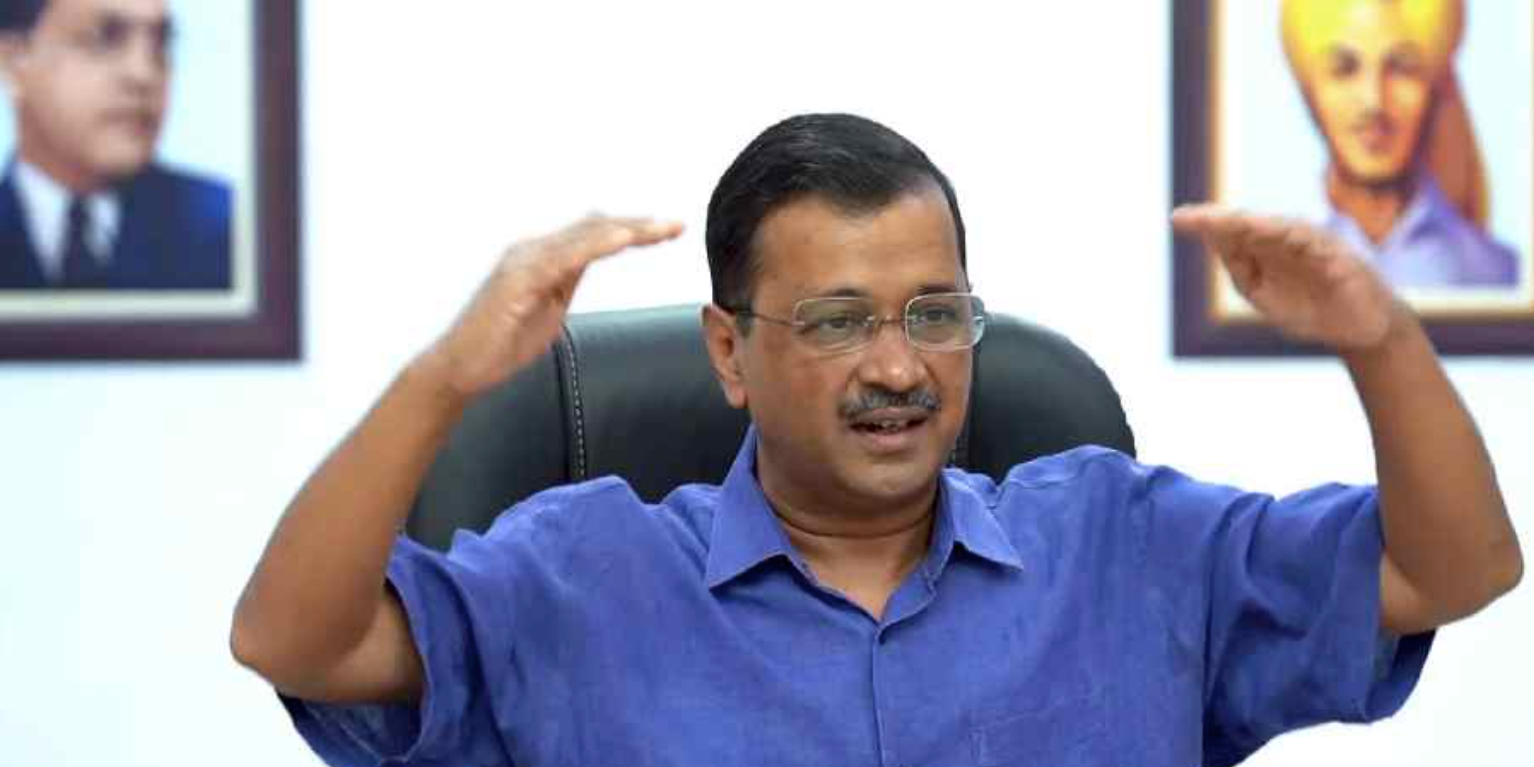
Kejriwal Announces Rs 18,000 Monthly Stipend for Temple Priests and Gurdwara Granthis Ahead of Delhi Assembly Polls
Delhi, December 30, 2024: Aam Aadmi Party (AAP) national convenor Arvind Kejriwal made a significant promise to Delhi’s religious leaders on Monday, unveiling the Pujari Granthi Samman Rashi Scheme, targeting pandits and granthis ahead of the high-stakes 2025 Delhi Assembly elections. Kejriwal’s announcement, which comes as part of the AAP’s broader welfare agenda, promises a monthly stipend of Rs 18,000 to temple priests and gurdwara granthis in Delhi if the party returns to power.
In his address, Kejriwal referred to priests as “a bridge between humans and God,” acknowledging their contribution to preserving culture, tradition, and religious practices. He highlighted that this was a first-of-its-kind initiative in India, with AAP being the first political party to launch such a scheme for pandits and granthis. “These are people who have been serving God for generations and preserving our culture and rituals. They don’t think about themselves but dedicate their lives to keeping our traditions alive. This is not a salary, but a token of respect from us,” Kejriwal said.
The Pujari Granthi Samman Rashi Scheme: Key Details
- Rs 18,000 per month: The scheme promises a monthly payment of Rs 18,000 to all pandits working in temples and granthis serving in gurdwaras across Delhi.
- Targeting 20% of the Electorate: With this promise, AAP is seeking to appeal to pandits and Sikh voters, who constitute around 20% of the Delhi electorate.
- No mention of church priests: The scheme is limited to temple priests and gurdwara granthis; there was no mention of whether priests in churches would be covered.
- Registration Process: Kejriwal announced that the registration for the scheme will begin at the Hanuman Temple in Connaught Place on Tuesday. He emphasized that AAP MLAs will later take the registration process forward in all 70 constituencies across the city.
AAP’s Electoral Strategy: Targeting Religious Voters
This announcement is part of AAP’s fifth welfare promise for the upcoming Delhi Assembly elections. The party has previously promised schemes targeting women, Dalits, senior citizens, and 24×7 water supply for Delhiites. By introducing a stipend for religious leaders, the AAP hopes to garner the support of pandits and Sikh voters, who form a significant portion of the city’s electorate.
“This is a first-of-its-kind initiative in the country. No other political party has done this for pandits and granthis,” Kejriwal emphasized, positioning AAP as a party that is keen on uplifting those who serve in religious institutions.
Kejriwal Criticizes BJP Over Scheme Registration
In a scathing attack on the opposition BJP, Kejriwal accused them of trying to block registrations for various AAP welfare schemes, including the Mahila Samman Rashi (for women) and Sanjeevani Yojana (for senior citizens), through police interference. He urged the BJP not to interfere in the registration process for the new scheme, stating, “This is a scheme for priests who are the bridge between humans and God. It would be a big sin to stop such a noble initiative.”
Protests by Imams Over Pending Salaries
While Kejriwal’s announcement targeted pandits and granthis, it also came amidst a protest by imams in Delhi who are demanding the release of their unpaid salaries under the Waqf Board scheme. Imams have been protesting outside Kejriwal’s residence, claiming they haven’t been paid for over 17 months. Sajid Rashidi, chairman of the All India Imam Association, urged the government to release the long-pending dues. “If the government doesn’t release our salaries, we will sit on an indefinite protest,” Rashidi warned.
Looking Ahead to Delhi Elections 2025
As the Delhi Assembly elections approach in February 2025, political parties are intensifying their efforts to appeal to key voter segments. Kejriwal’s promise of a financial incentive for religious leaders aims to solidify AAP’s position as a party that values the contributions of religious communities. However, the unfolding political dynamics, including protests and ongoing welfare promises, indicate that the election campaign is set to be an intense battle for voter support in the national capital.