


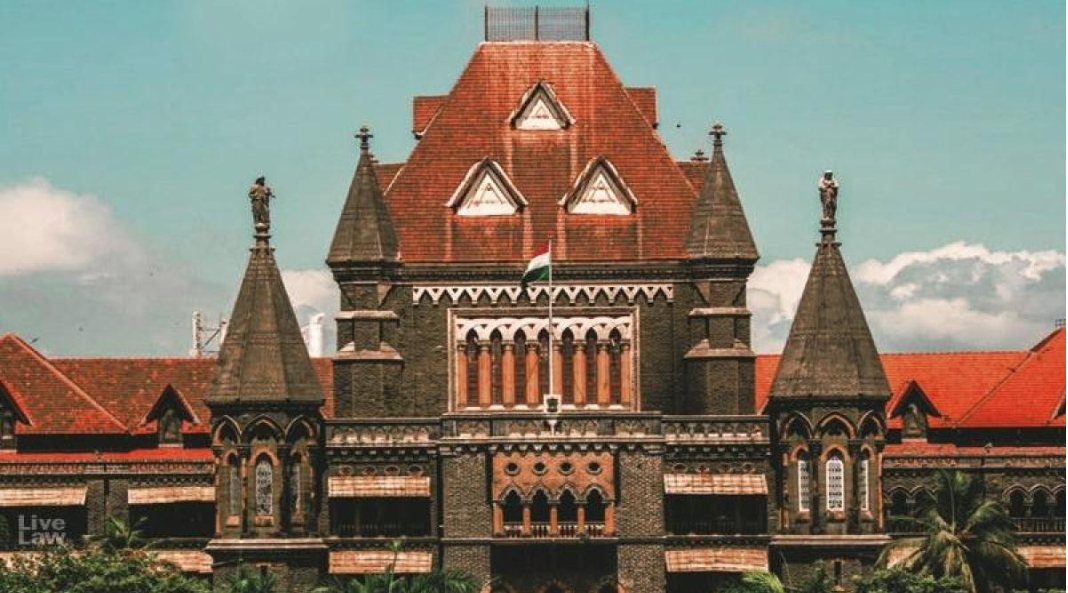
2006 Mumbai Train Blasts: Bombay High Court Acquits All 12 Convicts, Cites Lack of Evidence
Mumbai, July 21, 2025 – In a significant judgment nearly two decades after one of the deadliest terrorist attacks in India’s history, the Bombay High Court has acquitted all 12 individuals previously convicted in the 2006 Mumbai local train bombings.
The court overturned their convictions on Monday, stating that the prosecution failed to present sufficient and credible evidence to prove their guilt. This verdict comes 19 years after the coordinated bomb blasts that killed over 180 people and injured hundreds more.
🔍 Key Highlights of the Judgment:
- All 12 convictions overturned – Five of them had been sentenced to death, and the remaining seven to life imprisonment.
- The bench of Justice Anil Kilor and Justice Shyam Chandak ruled that the prosecution could not establish guilt beyond reasonable doubt.
- The court ordered that if the acquitted individuals are not wanted in any other case, they must be released immediately.
- Nepal Flood Disaster: Death Toll Rises to 353 as Newly Formed Lake Threatens to Burst
- Kriti Sanon Raksha Bandhan Ad Controversy: GIVA Withdraws Advertisement After Social Media Backlash
- Maharashtra Marathi Language Drive: 1.5 Lakh Drivers Learn Marathi, 7,750 Fail Test and Must Reappear | Auto, Taxi and App-Based Cab Drivers Asked to Learn Marathi in Maharashtra
- No Lockdown in India Amid LPG Concerns: Hardeep Singh Puri Dismisses Rumours, Assures Energy Security
- Courts Rein in Arbitrary Bank Account Freezes: Major Relief for Citizens and Businesses
In their ruling, the judges remarked, “It is difficult to believe that the accused committed the crime. The prosecution has completely failed to prove the case.”
📅 Background: The 2006 Mumbai Train Blasts
On July 11, 2006, a series of seven powerful explosions ripped through Mumbai’s Western Railway suburban trains during the evening rush hour.
- The attacks resulted in the deaths of over 180 people,
- Injured more than 800,
- And caused panic and disruption in India’s financial capital.
The blasts were carried out using pressure cooker bombs placed in first-class compartments of local trains.
⚖️ 2015 Special Court Verdict:
In 2015, a special court under the Maharashtra Control of Organised Crime Act (MCOCA) had convicted 12 men.
- Five were given the death penalty,
- Seven were sentenced to life imprisonment.
The verdict was based on what the prosecution claimed were confessions, recovered materials, and alleged links to banned terrorist organizations.
📣 Reactions of the Acquitted:
The 12 men appeared via video conferencing from various jails across the state. Upon hearing the High Court’s decision, they thanked their legal teams and the judiciary, stating that justice had finally prevailed after 19 long years.
🧾 Conclusion:
This verdict serves as a major turning point in India’s legal history, reinforcing the principle that “a person is innocent until proven guilty.”
At the same time, it raises important questions about the quality of investigations, the reliability of evidence presented, and the human cost of prolonged trials and wrongful convictions.