


Maharashtra ATS Steps Up Crackdown on Illegal Bangladeshi Immigrants Amid Security Concerns
The regime change in Bangladesh has raised significant security concerns for Indian authorities, who are now intensifying efforts to protect the nation’s borders and curb illegal immigration. While illegal immigration was once seen as the primary threat, security agencies are now increasingly focused on the potential for terror organizations from Bangladesh to infiltrate India. They fear these groups could use illegal Bangladeshi migrants as sleeper cells to orchestrate attacks within Indian borders.
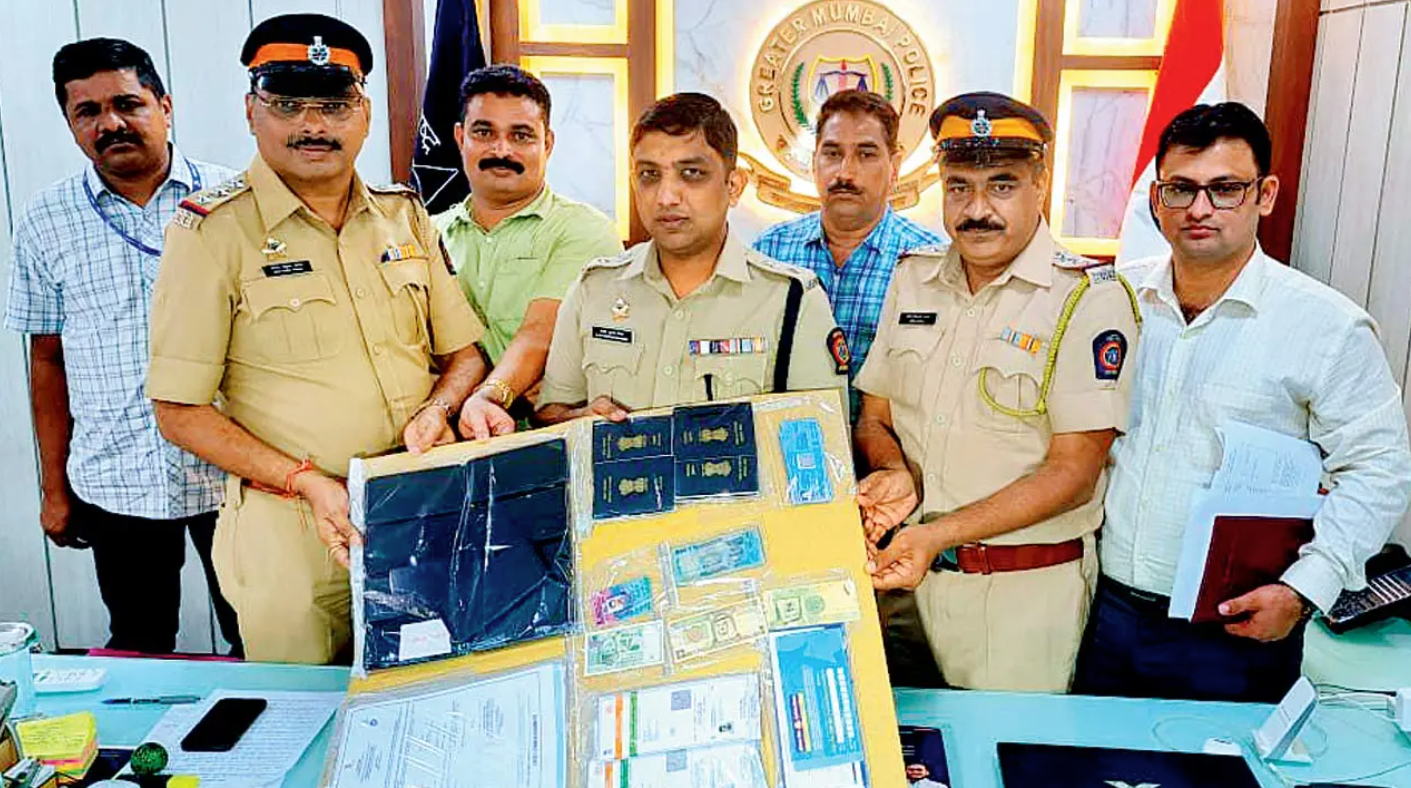
A senior official from Maharashtra’s Anti-Terrorism Squad (ATS) revealed that, in recent months, the agency has ramped up its efforts to dismantle illegal immigration networks, specifically targeting group leaders who facilitate the movement of undocumented migrants to Indian cities, including Mumbai. As part of this crackdown, the ATS has been working closely with local police in Mumbai to identify and cancel fraudulent documents, such as licences, ration cards, and other government-issued identification, which were obtained through forged paperwork. The move aims to make it more difficult for illegal immigrants to integrate into Indian society.
In addition to targeting fraudulent documents, the ATS has also issued notices to banks that have been linked to Bangladeshi nationals recognized as illegal immigrants. The notices instruct these banks to freeze the accounts of these individuals, who have been found to have used forged documents to open bank accounts. A central directive has also been sent to financial institutions across the country, ensuring that these individuals are blocked from accessing banking services nationwide.
The ATS is also collaborating with the rationing department to prevent the misuse of welfare schemes by illegal immigrants. Bangladeshi nationals who have illegally secured ration cards could exploit India’s flagship programmes, such as the Pradhan Mantri Ujjwala Yojana (PMUY), Pradhan Mantri Garib Kalyan Anna Yojana (PMGKAY), Ayushman Bharat, and Pradhan Mantri Awas Yojana (PMAY), among others. This could result in the loss of valuable resources meant for the country’s citizens.
“The regime change in Bangladesh has major implications for India’s security, especially in light of the growing influence of Pakistan and China in the region. The presence of illegal immigrants in cities like Mumbai poses a serious challenge,” said an ATS official, speaking on the condition of anonymity. “We are closely monitoring their activities and taking action to disrupt their networks, including canceling their licenses, PAN cards, and ration cards to make it more difficult for them to remain in India.”
Exploiting Legal Loopholes
Despite these efforts, Indian security agencies are grappling with a significant challenge: the slow and cumbersome judicial process that often delays the deportation of illegal Bangladeshi nationals. According to officials, it can take a decade or longer for a case involving a foreign national to be concluded, and even after serving their sentence, these individuals often remain in India for years before being deported.
One of the key loopholes being exploited by illegal immigrants is the lengthy judicial process that delays the cancellation of critical documents like Aadhaar cards. While the Unique Identification Authority of India (UIDAI) requires a court order to cancel an Aadhaar card, illegal immigrants—especially those from Bangladesh—use this delay to remain in the country. “We’ve been in contact with the UIDAI, but the process remains slow, and this has given illegal immigrants an opportunity to benefit from fraudulent documents,” the officer said.
Security agencies are also hampered by restrictive laws around accessing UIDAI data, making it difficult to track down individuals who may have been issued fraudulent Aadhaar cards. The Maharashtra ATS is, however, bypassing this obstacle by working with other departments responsible for issuing government documents, such as ration cards, PAN cards, and driving licences, to have them canceled when strong evidence of fraud is found.
Rising Arrests but Slow Deportations
The Mumbai Police, specifically the ‘I Branch’ or Special Branch, plays a crucial role in monitoring and apprehending illegal Bangladeshi immigrants. Over the past three years, the Mumbai Police have arrested nearly 696 Bangladeshi nationals, but due to delays in the judicial system, only 222 have been successfully deported. This year alone, 181 Bangladeshi nationals were arrested in Mumbai, but only 133 were deported as of September. In 2023, despite 368 arrests, only 68 deportations took place, highlighting the slow pace of judicial processes.
A Mumbai Police officer noted, “The judicial delays are allowing illegal immigrants to exploit the system and extend their stay. It is essential to adopt new strategies, as the Maharashtra ATS is doing, to make it harder for these individuals to remain in India.”
Expert Insight: Emerging Threats
Balakrishna Kamath, a retired Intelligence Bureau officer and author, expressed concerns over the evolving political landscape in Bangladesh. “The student unrest in Bangladesh had been ongoing for months, and the sudden regime change caught many off guard. The situation has not only created political uncertainty but also increased the vulnerability of the region, particularly with the growing influence of Pakistan and China,” Kamath noted.
He emphasized that India’s security concerns extend beyond illegal immigration, as insurgents from India’s northeastern states could once again find refuge in Bangladesh. “The volatile situation in Bangladesh could provide new opportunities for insurgent groups to operate from across the border,” Kamath said.
Kamath also pointed out that India must be prepared for a long-term shift in the security dynamics in the region. “The border with Bangladesh has become a volatile zone. With Bangladesh’s new regime cozying up to Pakistan and pushing for the revival of the SAARC movement, India must brace for new challenges.”
As the security situation in Bangladesh continues to evolve, Indian authorities are recalibrating their strategies to address these growing threats, both in terms of illegal immigration and potential terrorism. With the geopolitical landscape shifting, India’s intelligence and law enforcement agencies are working overtime to stay ahead of emerging risks.