


🇺🇸🇮🇳 Trump Slaps 50% Tariffs on India, Adds 25% Over Russian Oil Imports; Jaishankar Responds
New York, August 23, 2025:
In a major escalation of trade tensions, US President Donald Trump has imposed a 50 percent tariff on Indian goods, with an additional 25 percent levy specifically linked to India’s continued purchase of Russian oil. The move has sparked sharp reactions from Indian officials, with External Affairs Minister S. Jaishankar stating that there was no prior discussion with the US on the matter.
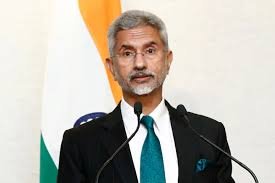
Speaking at the Economic Times World Leaders Forum 2025, Jaishankar addressed Trump’s unprecedented foreign policy approach, describing it as “public and unconventional” — a style he said marks a significant departure from previous US administrations.
“We’ve not had a US President who’s conducted foreign policy as publicly as the current one. That itself is a departure that’s not limited to India,” Jaishankar said.
He also noted that President Trump often announces key decisions publicly first, before informing the concerned country through official diplomatic channels.
“The fact that a lot of this is said in public — and often the first pronouncement is made publicly — is unusual. This is not just an India-specific experience; the whole world is dealing with it,” he added.
📌 Key Points Raised by Jaishankar:
1. Trade Negotiations Still Ongoing
Jaishankar confirmed that while tariffs have been raised, India-US trade negotiations have not been called off. He emphasized that India has red lines, particularly concerning the protection of its farmers and small producers.
“Negotiations are still going on. It’s not like there’s a ‘kutti’ [estrangement]… Our red lines are clear — the interests of our farmers and small producers come first.”
2. Russian Oil Purchase “Unfairly Targeted”
Refuting the premise behind the oil-related tariff hike, Jaishankar criticized the double standards being applied to India. He questioned why similar scrutiny hasn’t been directed at China, the world’s largest oil importer, or the European Union, the largest energy importer.
He also noted that US Treasury Secretary Scott Bessent had pointed to a percentage increase in India’s Russian oil purchases — a metric Jaishankar called misleading, since other countries have avoided similar scrutiny by turning to Iranian oil, which the US also opposes.
“If the argument is percentage of increase — yes, some countries haven’t increased theirs, because they’re buying from Iran instead,” Jaishankar said.
“We had explicit conversations with the previous US administration [Biden] on this issue. That’s when the oil price cap came into being.”
3. India Rejects External Mediation
On the subject of international mediation, Jaishankar reiterated India’s long-standing position — firmly rejecting any third-party intervention, particularly when it concerns India’s bilateral issues with Pakistan.
“Our position is clear: India does not accept any external mediation in its internal or bilateral matters.”
🧭 Context: Tariffs and Global Trade Pressure
Trump’s decision to raise tariffs comes amid heightened tensions over India’s neutral stance in the ongoing Russia-Ukraine conflict, and its continued energy trade with Moscow. The new tariffs are seen as both a punitive measure and an attempt to pressure India into aligning more closely with US-led sanctions.
However, India has consistently maintained that its energy needs are guided by national interest, and that its oil imports are legal and transparent, abiding by global price caps where applicable.
With inputs from Reuters & ANI
- Nepal Flood Disaster: Death Toll Rises to 353 as Newly Formed Lake Threatens to Burst
- Kriti Sanon Raksha Bandhan Ad Controversy: GIVA Withdraws Advertisement After Social Media Backlash
- Maharashtra Marathi Language Drive: 1.5 Lakh Drivers Learn Marathi, 7,750 Fail Test and Must Reappear | Auto, Taxi and App-Based Cab Drivers Asked to Learn Marathi in Maharashtra
- No Lockdown in India Amid LPG Concerns: Hardeep Singh Puri Dismisses Rumours, Assures Energy Security
- Courts Rein in Arbitrary Bank Account Freezes: Major Relief for Citizens and Businesses